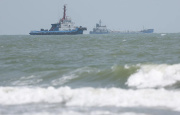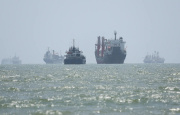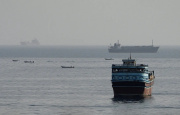



US may escort oil tankers through Hormuz Strait, Trump says. (Photo/AP)
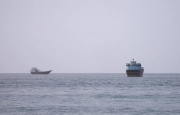
The United States is reportedly facing mounting pressure as dozens of commercial vessels wait for Iran’s clearance to pass through the Strait of Hormuz, one of the world’s most critical maritime chokepoints.
According to Iranian media, cargo ships bound for international routes have been instructed to obtain direct authorisation from Tehran before entering the strait. The move has resulted in a growing queue of vessels awaiting permission, creating delays that Washington is said to be struggling to manage.
Iranian officials have framed the requirement as a matter of national sovereignty and maritime security, insisting that all foreign vessels must comply with its protocols when navigating the narrow waterway.
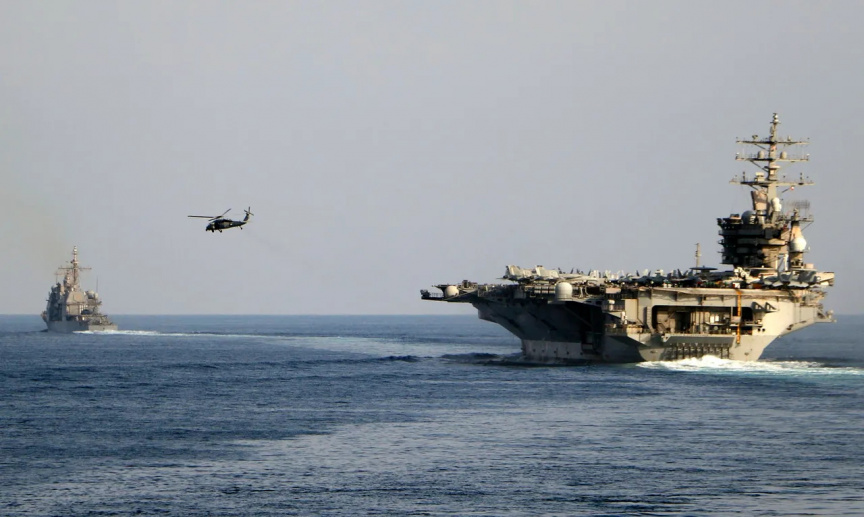
The US, which maintains a significant naval presence in the region, has not publicly commented on the reported backlog. However, analysts say the situation underscores the strategic leverage Iran holds over the strait, through which a significant share of global oil shipments pass.
The development comes amid heightened tensions across the Middle East, with both Iran and the US trading accusations over security threats and military activity in regional waters.