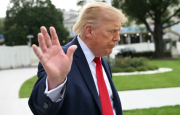



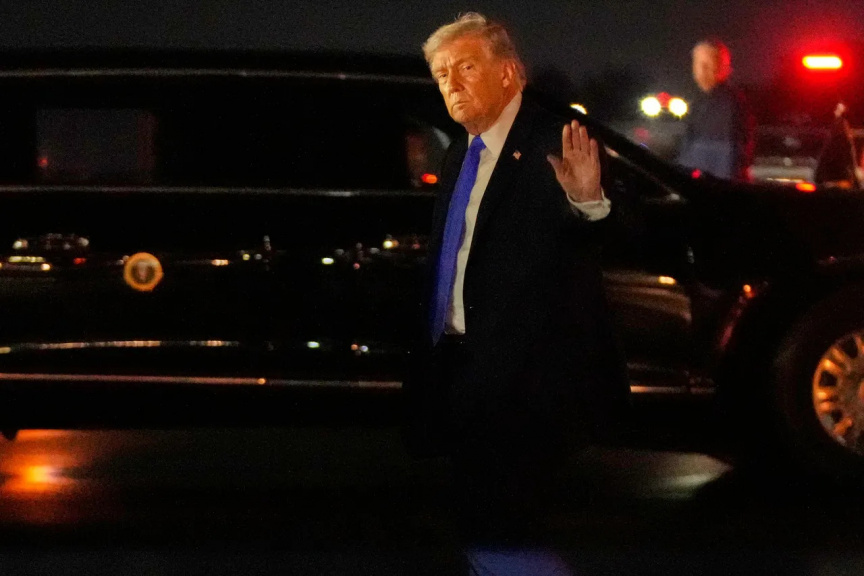
President Donald Trump waves after arriving on Air Force One, Friday, March 13, 2026, at Palm Beach International Airport in West Palm Beach, Fla. (Photo/AP)
US President Donald Trump said on Saturday that countries receiving oil through the Strait of Hormuz should take the lead in securing the strategic maritime corridor, adding that the United States would support their efforts.
In a post on the social media platform Truth Social, Trump said nations dependent on shipments through the waterway must ensure its safety.
“Countries of the world that receive oil through the Hormuz Strait must take care of that passage, and we will help — A LOT,” he wrote.
Trump added that Washington would coordinate with those nations to make sure the effort moves forward “quickly, smoothly, and well,” stressing that securing the route should have been a shared responsibility from the start.
“This should have always been a team effort, and now it will be,” he said.
Tensions rising in the region
The comments come as regional tensions escalate after Iran effectively closed the Strait of Hormuz on March 1 following joint attacks by Israel and the United States on February 28.
The strikes have reportedly killed more than 1,200 people, including Iran’s former supreme leader Ali Khamenei, while hostilities across the region have intensified.
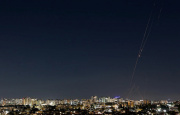
Tehran has since launched retaliatory drone and missile attacks targeting Israel, Jordan, Iraq and several Gulf states hosting US military assets, causing casualties and damage to civilian infrastructure.
The Strait of Hormuz — one of the world’s most important energy chokepoints — handles a significant portion of global oil shipments, making any disruption a major concern for international markets.
__
Source: TRT