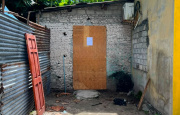



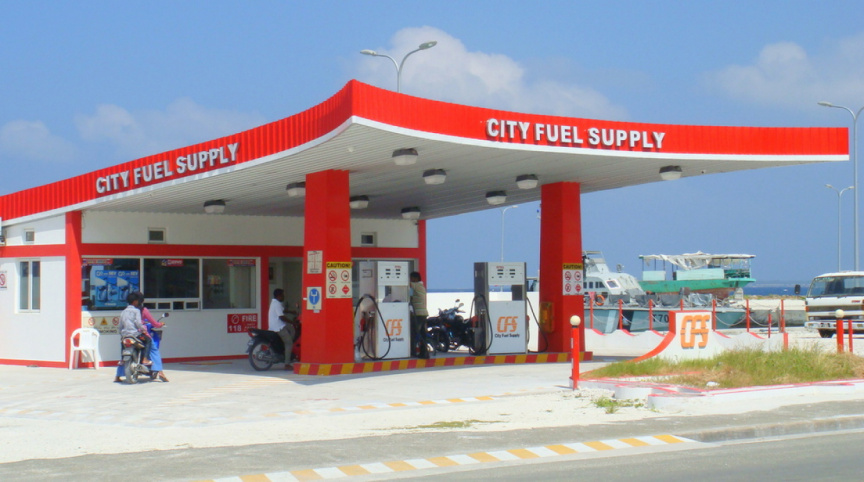
A petrol shed in Addu City: Petrol price has climbed to MVR 29 per liter in Addu. (Photo/Addu Live)
The price of petrol in Addu City has climbed to MVR 29 per liter.
This increase follows the ongoing conflict in the Middle East, which led to the closure of the Strait of Hormuz—one of the world’s most critical maritime routes for oil transportation. The disruption has triggered a surge of more than 40 percent in global crude oil prices.
The Maldives is reported to be among the ten countries most significantly affected by the sharp rise in fuel prices.
On February 5, Fuel Supplies Maldives (FSM), a subsidiary of the state-owned State Trading Organization (STO), implemented a fuel price increase ranging between 18 and 26 percent. As a result, the price of petrol rose from MVR 13.50 to MVR 16.01 per litre, while diesel increased from MVR 13.92 to MVR 17.54 per litre.
In Addu City, the country’s second most populous region, fuel prices have increased more sharply. Petrol is currently priced at MVR 29.26 per litre, while diesel is sold at MVR 30.13 per litre. In Meedhoo district, diesel prices have reportedly reached up to MVR 31 per litre.
Commenting on the situation, Addu City Mayor Ali Nizar stated that the current rates appear disproportionately high compared to global market trends. He noted that fuel prices did not reach such levels even during the Gulf War and urged the government to review its pricing policy. The mayor also called on residents to reduce unnecessary consumption and remain cautious in managing their expenses.
In response to the rising costs, the government has announced plans to intervene by utilizing STO’s projected profits in addition to providing state subsidies, with the aim of stabilizing fuel prices and reducing the financial burden on the public.
Meanwhile, concerns are growing over the potential long-term economic consequences for the Maldives if the conflict continues. Former President Mohamed Nasheed has warned that prolonged disruptions could lead to fuel shortages and has called for energy conservation measures, including scheduled power outages and reduced use of motorized transport to protect national fuel reserves.
However, on February 3—four days after the conflict began—Economic Minister Mohamed Saeed assured the public that the Maldives would not face shortages of fuel, gas, or essential food items, stating that supply chains would remain uninterrupted.
Amid the global market disruption, the Maldivian government has also formally sought assistance from India to ensure a stable supply of oil during the crisis.