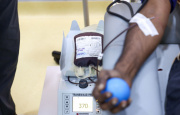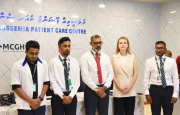



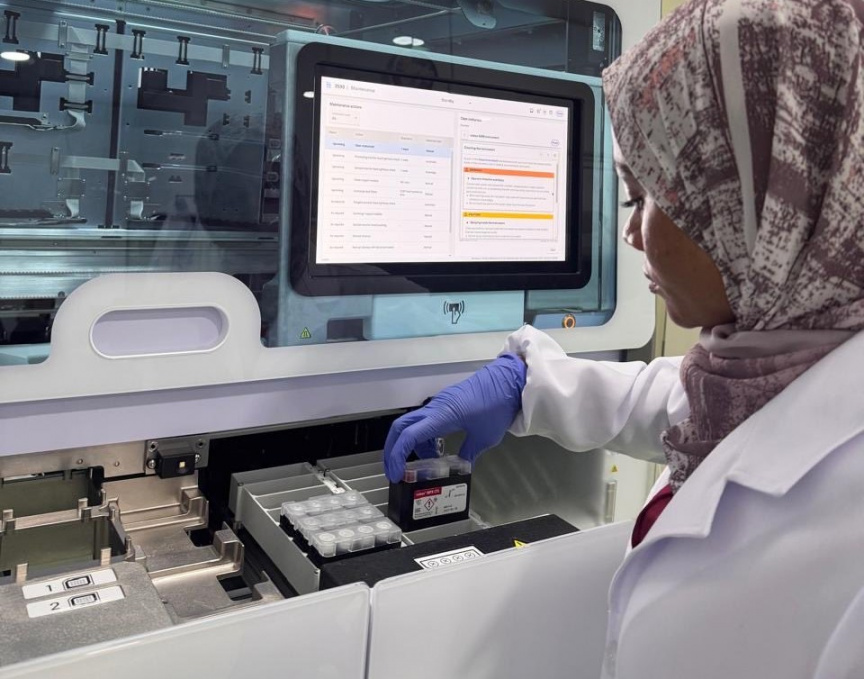
Nucleic acid test (NAT) launches at Maldives Blood Services on July 23, 2026. (Photo/X/Ibrahim Abdul Razzaq Haleem)
The Male’ City Group of Hospitals (MCGH) has launched nucleic acid test (NAT) for screening blood donations in the Maldives - a highly sensitive molecular blood test that allows of ultra-early disease diagnosis.
Ibrahim Abdul Razzaq Haleem, the CEO of MCGH, said the service launched on Thursday at the Maldives Blood Services (MBS), commonly known as the Thalassemia Center.
NAT is a highly sensitive molecular technique for screening blood donations to reduce the risk of transfusion transmitted infections (TTIs) in the recipients, thus providing an additional layer of blood safety.
It directly detects the genetic material of viruses like HIV, Hepatitis B, and Hepatitis C, and because it looks for the virus itself rather than antibodies, it significantly reduces the "window period"—the time between initial infection and a positive test.

In a post on X on Thursday, Haleem described the launch of NAT as a “historical milestone” in efforts to modernize blood services in the country.
“Today, we have achieved a historical milestone in efforts to modernize blood services in the Maldives,” wrote Haleem.
މިއަދު މާލެ ސިޓީ ގްރޫޕް އޮފް ހޮސްޕިޓަލްސްގެ މޯލްޑިވްސް ބްލަޑް ސަރވިސަސްގައި ނިއުކްލިއިކް އެސިޑް ޓެސްޓިންގ (NAT) މިވަނީ ފަށާފައެވެ. ދިވެހިރާއްޖޭގެ ލޭގެ ޚިދުމަތް ޒަމާނީ ފެންވަރަށް ގެންދިޔުމުގައި މިއަދު މި ޙާޞިލްވީ ވަރަށް މުހިއްމު ތާރީޚީ މަރުހަލާއެކެވެ.
— Haleem (@22halex) July 23, 2026
ދިވެހިރާއްޖޭގައި ފުރަތަމަ… pic.twitter.com/gf3CprM0dP
He added that the launch of the service also marks “the beginning of important national and historic efforts to further enhance blood safety and modernize blood services in accordance with the pledges and policies announced by President Dr. Mohamed Muizzu enhance and improve healthcare services offered to the public.”
Haleem said that the launch of NAT marks an important step towards realizing the strategic goals in the Maldives Thalassemia Masterplan 2024-2034.
The masterplan, formulated in collaboration with the World Health Organization (WHO), was launched in October 2024.
Maldives has one of the world’s highest rates of thalassemia – a genetic blood disorder that impairs the body’s ability to produce healthy red blood cells.
The country currently has around 900 registered thalassemia patients.