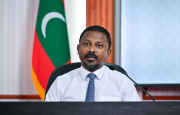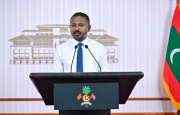


Attorney General Ahmed Usham: Usham states the legislature on genocide aimed at fulfilling obligation under international convention. (Photo/President's Office)
Attorney General Ahmed Usham clarified on Monday night that the proposed amendments to the Penal Code, which seek to criminalize genocide and acts that threaten the economy, were submitted to fulfil the Maldives’ obligations under an international convention to which the country is a party.
The government has submitted a bill to the Parliament proposing to criminalize genocide, acts targeting specific religious groups, treason and actions that threaten economic security. The government-backed bill was sponsored by ruling PNC’s South Maafannu MP Abdulla Rifau (Bochey).
The bill’s submission comes amid the awarding of a major development project in Rasmalé to UAE-based Eagle Hills. Some members of the public and political figures have raised concerns that the project could facilitate Israeli settlement in the Maldives. However, the government has previously assured that measures will be taken to prevent Israeli citizens and affiliated companies from purchasing property within the Rasmalé development.
Following the bill’s submission, some social media users alleged that the proposed amendments were intended to suppress criticism of the Rasmalé project.
Responding to these concerns in a post on X on Monday night, Attorney General Usham stated that the Maldives acceded to the Convention on the Prevention and Punishment of the Crime of Genocide (Genocide Convention) on April 24, 1984. He noted that although Article 5 of the Convention requires member states to enact the necessary legislation and establish penalties for genocide-related crimes, the Maldives had yet to fulfil this legal obligation over the past 42 years.
Usham also highlighted that the Maldivian government is currently intervening in cases before the International Court of Justice (ICJ), including “The Gambia v. Myanmar” and “South Africa v. Israel”, advocating for stringent action against countries accused of committing genocide against Muslims.
‘ޤަތުލުޢާންމު’ އަކީ ޖެނޮސައިޑް. ޤަތުލުޢާންމުގެ ކުށް ހުއްޓުވުމާއި އަދަބު ދިނުމާބެހޭ ބައިނަލްއަޤްވާމީ މުޢާހަދާ (ޖެނޮސައިޑް ކޮންވެންޝަން) ގައި ދިވެހިރާއްޖެއިން ބައިވެރިވެފައިވަނީ 24 އެޕްރީލް 1984 ގައި. އެ މުޢާހަދާގެ 5 ވަނަ މާއްދާގައި، އެ މުޢާހަދާއަށް ޢަމަލުކުރުމަށްޓަކައި އެ މުޢާހަދާގައި ބައިވެރިވެފައިވާ ޤައުމުތަކުން ހަދަންޖެހޭ ޤާނޫނުތައް ހެދުމާއި، ޖެނޮސައިޑްއާ ގުޅޭ ކުށްތަކަށް ޤާނޫނުގެ ދަށުން އަދަބު ކަނޑައެޅުން ލާޒިމްކޮށްފައިވޭ. ނަމަވެސް، އޭގެ ފަހުން 42 އަހަރު ވެގެން ދިޔައިރުވެސް ދިވެހިރާއްޖެއިން މި ޒިންމާ އަދާކޮށްފައެއްނުވޭ. މުސްލިމުންނާ ދެކޮޅަށް ޤަތުލްޢާންމުގެ ކުށްތައް ހިންގާފައިވާ އަދި ހިންގަމުންދާ ޤައުމުތަކާ ދެކޮޅަށް އިންޓަރނޭޝަނަލް ކޯޓް އޮފް ޖަސްޓިސް (އައި.ސީ.ޖޭ.) ގައި ހިނގަމުންދާ މައްސަލަތަކެެއް ކަމުގައިވާ، “ދަ ގެމްބިއާ ވ. މިޔަންމާ” އަދި “ސައުތު އެފްރިކާ ވ. އިސްރާއީލު” މައްސަލަތަކަށް ދިވެހި ސަރުކާރުން ވަނީ ތަދައްޚުލުވެ، ޖެނޮސައިޑްގެ ކުށްތައް ހިންގާ ޤައުމުތައް ޖަވާބުދާރީ ކުރުވައި، ހަރުކަށި ފިޔަވަޅު އެޅުމަށް ވަކާލާތުކޮށްފައި. ނަމަވެސް، އެހެން ޤައުމުތަކުން ޖެނޮސައިޑް ކޮންވެންޝަނަށް ކަމޭހިތުމަށް ދިވެހިރާއްޖެއިން ގޮވާލާއިރު، ދިވެހިރާއްޖެއިން އެ މުޢާހަދާގެ ދަށުން ކުރުން ލާޒިމްކޮށްފައި އޮތް ކަމެއް ކޮށްފައި ނެތުމަކީ، އެކަމުގެ ސަބަބުން ދިވެހިރާއްޖެއިން ހުށަހަޅާފައިވާ ޤާނޫނީ ނުކުތާތަކަށް އަސަރުކުރާކަމެއް. ދިވެހިރާއްޖޭގެ ޤާނޫނުލްޢުޤޫބާތަށް ގެނައުމަށް ސަރުކާރުގެ ފަރާތުން ހުށަހަޅާފައިވާ އިޞްލާޙަކީ، ޖެނޮސައިޑް ކޮންވެންޝަންއާ އެއްގޮތްވާ ގޮތުގެމަތިން ޤަތުލުޢާންމު ހިންގުމަކީ ޖިނާއީ ކުށެއްގެ ގޮތުގައި ކަނޑައަޅައި، އެ ކުށުގެ އަދަބު ބަޔާންކުރުމަށްޓަކައި ހުށަހަޅާފައިވާ އިޞްލާޙެއް. މިއީ ބައިނަލްއަޤްވާމީ ޤާނޫނުގެ ދަށުން ދިވެހިރާއްޖެއިން ކުރުން ލާޒިމްކޮށްފައިވާ ކަމެއް.
— Ahmed Usham (@a_usham) October 26, 2026
He stressed that while the Maldives calls on other countries to uphold the Genocide Convention, its failure to implement the treaty’s domestic requirements could undermine the country’s legal position and arguments on the international stage.
“The amendment proposed by the government to the Maldives Penal Code is intended to define genocide as a criminal offense and prescribe penalties in accordance with the Genocide Convention. This is a mandatory requirement for the Maldives under international law,” Usham wrote.
The bill submitted to the Parliament on Monday identifies specific acts committed against a national, ethnic, racial or religious group as criminal offences. These include killing members of the group, causing serious bodily or mental harm, deliberately imposing conditions of life calculated to bring about physical destruction, and forcibly transferring children to another group.
The proposed legislation classifies the commission of such acts, as well as the direct and public incitement of genocide, as first-degree felonies. The basic penalty for these offences is 10 years’ imprisonment, with the maximum sentence extending to 25 years.
The bill further stipulates that if the President, Cabinet Ministers, Members of Parliament, judges or senior security service officials commit these offences, they will be classified as first-degree felonies. In other cases, the offences will be treated as second-degree felonies. The bill also explicitly states that acting on a superior’s orders or claiming legal authorisation cannot be used as a valid defence.
Additionally, the bill proposes criminalising treason, deliberate acts of war against the Maldives, aiding enemies and actions that could cause significant economic harm. It also seeks to increase penalties for offences committed against the religion of Islam.