


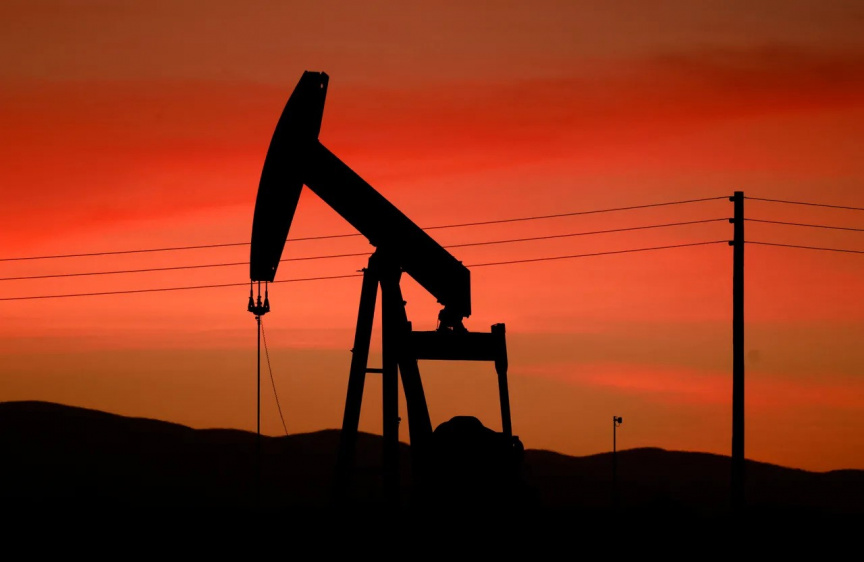
International Energy Agency has said its member countries would unlock 400 million barrels of oil from their reserves to ease the impact of the Middle East war. (Photo/AFP)
The International Energy Agency (IEA) has begun releasing emergency oil reserves to Asian countries, including Maldives, as the war in the Middle East triggers the largest supply disruption in global oil market history.
The agency confirmed that oil from its record stockpile release will flow to Asia immediately, while supplies for Europe and the Americas will only be available from the end of March. Asia is receiving priority due to its heavy dependence on Middle Eastern crude and the near‑total shutdown of shipments through the Strait of Hormuz.
The IEA’s 32 member countries have committed to releasing 400 million barrels, the largest emergency stock release ever coordinated by the agency, far exceeding the 182 million barrels released during the 2022 Ukraine crisis.
According to the IEA, 72 percent of the committed volumes are crude oil, with the remainder refined products. Stocks held by IEA members in Asia‑Oceania are being deployed first, reflecting the region’s urgent need to replace barrels lost due to the conflict.
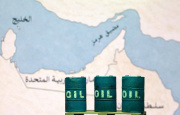
The supply shock follows the effective closure of the Strait of Hormuz, the world’s most important oil transit chokepoint, after escalating conflict halted tanker traffic. Export volumes through the strait have fallen to less than 10 percent of pre‑conflict levels, forcing regional producers to shut in production and disrupting refinery operations across the Gulf.
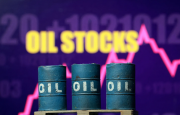
Oil futures closed above USD 100 per barrel on Friday, with traders bracing for a volatile week ahead after the United States struck military targets near Iran’s main oil export hub.
IEA countries have now confirmed their contributions to our largest ever oil stock release
— Fatih Birol (@fbirol) March 15, 2026
This brings unprecedented additional volumes of oil to the market from 16 March onward. However, opening the Strait of Hormuz is vital for a return to stable flows: https://t.co/0Y4xUICFzp pic.twitter.com/qPIy8IYRIO
IEA Executive Director Fatih Birol said the emergency release will bring “unprecedented additional volumes of oil to the market from March 16 onward,” but warned that reopening the Strait of Hormuz remains essential for restoring stable global supply.
As the crisis deepens, Asian countries, including Maldives, India and Sri Lanka, have raised fuel prices, while cooking gas shortages have also emerged across the region. Sri Lanka has already limited fuel sales as part of emergency rationing measures.
The IEA described the current disruption as the biggest oil market stoppage in history, with global supply chains under severe strain and LNG flows from Qatar and the UAE also reduced by 20 percent.
With the conflict ongoing and tanker traffic still largely halted, analysts warn that the coming weeks will remain turbulent for global energy markets.